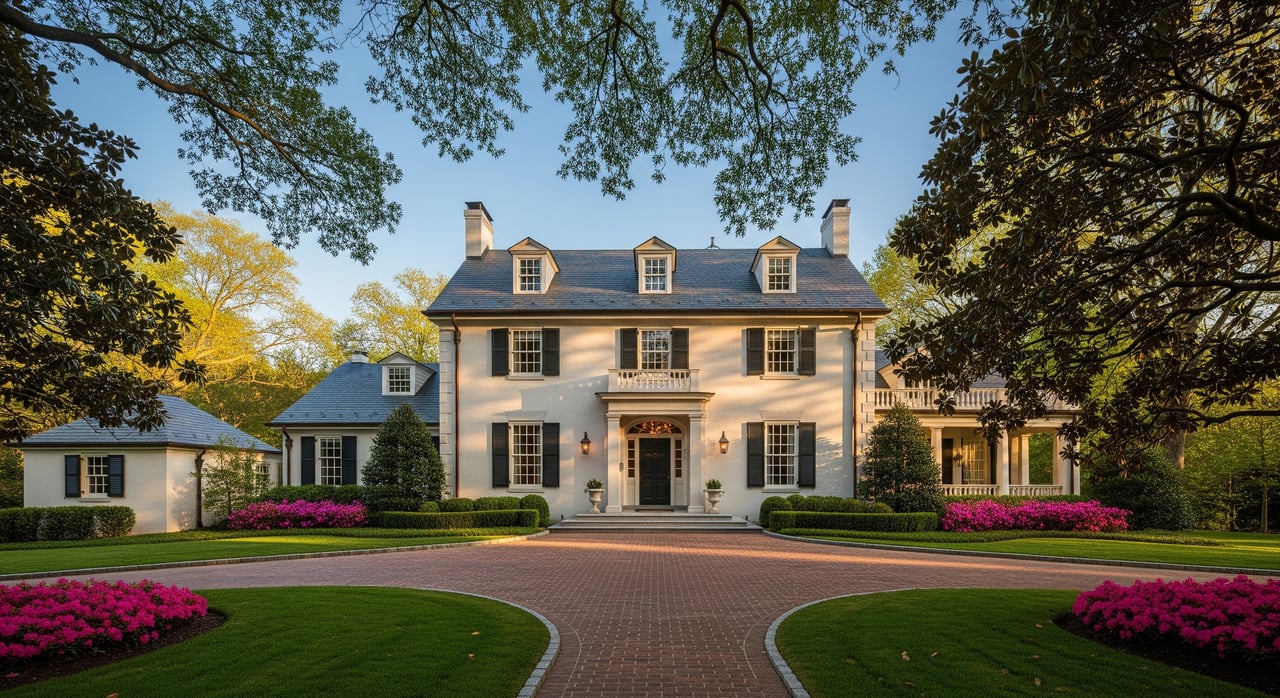
Historic District Guidelines in Myers Park
December 18, 2025
December 18, 2025
Planning a renovation or new build in Myers Park? You are not alone. The neighborhood’s classic canopy streets and timeless architecture draw owners who want to update thoughtfully without losing what makes it special. This guide explains how Charlotte’s historic rules work in Myers Park, what projects trigger review, how to navigate approvals, and the design strategies that help luxury projects move forward. Let’s dive in.
Many Myers Park properties sit within a local historic district and are also listed on the National Register of Historic Places. These designations are different. National Register listing is honorary and can open doors to incentives for qualifying income-producing rehabilitations. Local historic district status is regulatory, which means exterior changes visible from the street are reviewed for appropriateness and often require a Certificate of Appropriateness, commonly called a COA.
For your project, the local designation is what matters most. It affects whether your plans need design review before you apply for building permits.
Charlotte’s Historic Preservation Office administers local historic district rules and reviews COA applications. Staff can approve many minor items. Larger proposals, such as major additions, new construction, or demolitions, go to a Historic District or Landmarks Commission for a public hearing. Building permits are separate and typically follow historic approval.
Other city rules may also apply. Zoning overlays, stormwater, urban forestry, and right-of-way regulations often touch site work, tree protection, and driveway changes.
The local ordinance focuses on exterior changes visible from the public right-of-way. Typical items include exterior materials, architectural features, windows and doors, rooflines, porches, additions and new construction, fences and walls, and hardscape that shapes the streetscape. Interior work and exterior changes that are not visible from the street generally do not require a historic COA.
Additions should be visually subordinate to the original house. That usually means setting the addition back from the main facade, reducing perceived height at the street, and using materials that are compatible but clearly new. Oversized rooftop additions or full-width second stories visible from the street are commonly discouraged. New homes or outbuildings are reviewed for scale, setbacks, roof forms, window rhythm, and materials that fit the block’s character without copying historic details.
Original windows and doors are character-defining. Repair is preferred whenever feasible. If replacement is necessary, expect to match the existing appearance, including proportions, muntin patterns, material, and operation, for any units visible from the street. Modern-looking replacements that alter the facade often face scrutiny.
Porches are signature elements in Myers Park. Removal or enclosure is closely reviewed, while restoration to historic profiles and materials is encouraged. Trim, cornices, columns, and chimneys are treated as important details that should be preserved or replicated with accurate profiles where they are visible.
Roof changes that are visible from the street draw review. Like-for-like or visually compatible materials tend to be favored. If you are moving from slate to asphalt or adding rooftop equipment, plan to show how the change will maintain the roof’s character and minimize visibility of any new components.
Fences, walls, and driveway modifications can change the streetscape. Height, materials, and placement are reviewed for compatibility. Driveway widenings, new curb cuts, and large hardscape areas may also involve tree protection rules and right-of-way coordination.
HVAC units, meters, and solar arrays that are visible from the street require careful placement and screening. Rear or low-visibility locations are preferred. If roof-mounted solar is proposed, strategies that reduce reflectivity and visibility are important to discuss early with staff.
Demolition of contributing buildings or character-defining features is among the most scrutinized actions. Reviews can lead to delays, requests for alternatives, or denial unless strong public safety or hardship findings are demonstrated.
Start with a conversation with the Historic Preservation Office. Share photos and sketches so staff can advise on visibility, likely concerns, and whether a staff-level approval is possible. Early feedback can save months.
Many small changes, repairs, and compatible alterations can be approved administratively. Larger additions, new construction, and demolitions are scheduled for a commission meeting. Public notice, a staff report, and a hearing are typical for these items.
Minor staff approvals often resolve within a few weeks to a couple of months, depending on the completeness of your submittal. Projects that require a commission hearing usually take multiple months. A realistic planning horizon is 3 to 6 months for moderate additions and 6 to 12 months or more for substantial additions or new construction when you include design development, neighborhood input, and permitting.
Be thorough. Common materials include a scaled site plan, existing and proposed elevations, photographs, material specifications, and a narrative explaining design intent. For complex work, engage a preservation architect and provide detail drawings. High-quality visuals that show street views and sightlines help reviewers understand visibility and scale.
Expect application fees and public notice requirements for commission cases. Approvals may include conditions such as specified materials, colors, or screening. Inspections may occur during or after construction to confirm compliance with the COA.
Starting exterior work that is visible from the street without approvals can lead to stop-work orders, fines, and orders to reverse the changes. Noncompliant work can complicate resale and financing. If you are buying or selling, documented compliance matters.
Focus on the elements that define your home’s character. Porches, original windows, cornices, and chimneys carry outsized visual weight. Preserving them not only helps with approvals but also supports long-term property value.
New work should be compatible in scale, massing, and materials without copying the old. A clearly new addition, set back and finely detailed, reads as respectful and honest. This approach aligns with widely accepted rehabilitation standards and typically reviews well.
What the public can see is the top priority. Use thoughtful siting, setbacks, and step-backs to reduce the perceived size of an addition at the front. Where possible, place bulk toward the rear and use landscaping to soften transitions.
Mature trees and site walls are part of Myers Park’s character. Protect roots during construction and plan driveways, lighting, and hardscape so the landscape still feels cohesive with the street. Coordinate early if tree permits are needed.
For windows, repair where you can. If replacement is necessary, match profiles, pane configuration, and finish that the street will read as original. For roofs, premium slate or standing seam metal can be appropriate when they fit the house’s style. Provide samples and details so reviewers can confirm compatibility.
If you want solar, explore rear slopes, low-visibility planes, or ground-mounted systems with screening, subject to site rules. Color-balanced frames and flush mounting can reduce visibility. Early consultation helps you identify a location that performs well and reviews smoothly.
Design ramps and lifts to minimize changes to primary facades. Use subtle grading, screening, and compatible materials. For exterior lighting, choose fixtures and color temperatures that complement the historic setting and avoid glare toward the street.
Gather documentation that shows compliance. This includes past COAs, building permits, inspection reports, and any correspondence about approvals. Clear records build buyer confidence and help you avoid last-minute issues at closing.
Ask for prior COAs and permits, especially for recent exterior changes. If you plan a renovation, include contract contingencies that allow time to secure required approvals. Be cautious about assumptions related to demolitions or large additions without first discussing feasibility with the City.
Authoritative points of contact include the City of Charlotte Historic Preservation Office for district maps, guidelines, and COA procedures, the Historic District or Landmarks Commission for hearing schedules, the Planning and Building Permits offices for permits and zoning, the Urban Forestry office for tree regulations, the North Carolina State Historic Preservation Office for National Register and tax incentive questions related to income-producing properties, and your neighborhood association for local precedent and context. Reviewing the Secretary of the Interior’s Standards for Rehabilitation provides a useful design framework that aligns with local review.
When you plan early, assemble the right team, and design with street visibility and character in mind, you can achieve a polished, modern result that fits Myers Park and meets review standards.
Ready to map your project or evaluate a purchase or sale in Myers Park? Connect with the local team that blends luxury marketing with grounded historic guidance. Reach out to SL Home Group to start a conversation.
Stay up to date on the latest real estate trends.

best ways to buy a home
Your Charlotte NC Weekly Real Estate Update

Charlotte, NC
Your Charlotte NC Weekly Real Estate Update

best ways to buy a home
Your Charlotte NC Weekly Real Estate Update
best ways to buy a home
best ways to buy a home
Your Charlotte NC Weekly Real Estate Update
Charlotte, NC
Your Charlotte NC Weekly Real Estate Update
We are a tight-knit team of dedicated real estate professionals. Through the teamwork and support of the leadership team we provide high end service to all of our clients in the home buying, selling, and investing process.
SL HOME GROUP
(704) 281-1737
[email protected]
REAL BROKER, LLC
(855) 450-0442
ADDRESS
1230 W. Morehead St, Suite 207 Charlotte, NC 28208