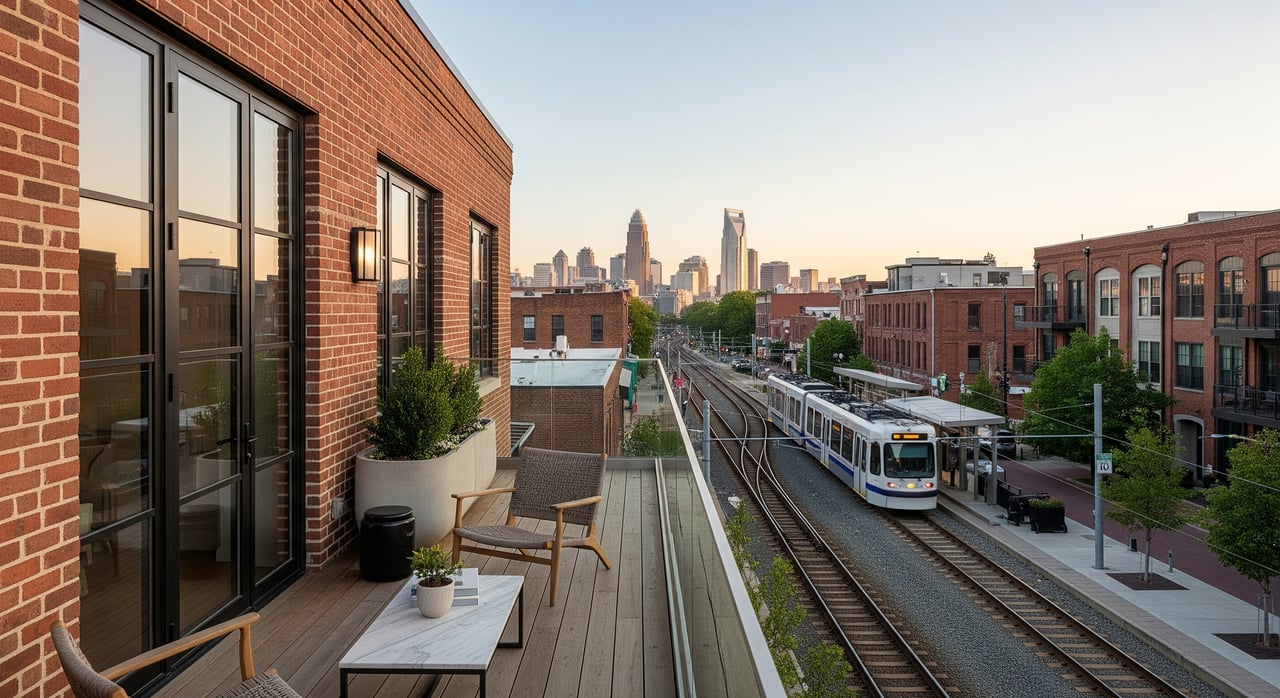
NoDa Light Rail Living Guide
December 4, 2025
December 4, 2025
Thinking about living steps from Charlotte’s LYNX Blue Line in NoDa? If you want a short, predictable commute and a lively, walkable arts scene, you’re looking in the right place. In this guide, you’ll learn how the Blue Line serves NoDa, what daily life feels like near the rail, where the housing options cluster, and what trade-offs to weigh before you buy. You’ll also get a practical checklist to confidently evaluate any property near the station. Let’s dive in.
NoDa sits right on the LYNX Blue Line, Charlotte’s primary light-rail corridor operated by the Charlotte Area Transit System. The Blue Line runs from north Charlotte through Uptown and into south and university areas, with a major extension completed in 2018. In NoDa, the rail access point most people use is the station area near North Davidson Street around 36th Street.
Service generally starts early in the morning and continues into late evening. You’ll see more frequent trains during peak commuting times and lighter frequency at night and on weekends. If timing matters for your schedule, check current CATS service notices and timetables before you plan.
For many residents, living near NoDa’s station makes Uptown trips easy, predictable, and less car-dependent. The Blue Line also connects you to other popular destinations with transit-oriented growth, including South End and the university area. There is no direct rail connection to Charlotte Douglas International Airport, so airport runs typically involve driving, ride-hail, or a bus connection.
NoDa is one of Charlotte’s more walkable areas, especially around North Davidson Street. Short blocks and an active main corridor make it comfortable to walk to restaurants, coffee, and everyday services. Side streets can vary, with some residential blocks retaining older infrastructure and a quieter feel.
Shared bikes and scooters are common, and many neighbors use bikes for local trips and station access. Dedicated or protected bike lanes may be limited on some stretches, so it’s smart to map your preferred routes in advance.
You’ll find local markets and specialty food shops in NoDa, with larger grocery stores just a short drive or transit hop away. Independent retailers, salons, gyms, and studios add convenience across the neighborhood. Major health systems and hospitals are concentrated in Uptown and other nearby nodes that are reachable by rail.
Public school options depend on your exact address. If schools are a factor, verify current assignments and policies directly with Charlotte-Mecklenburg Schools before you commit.
NoDa is Charlotte’s arts and entertainment district, and that identity shows up in daily life. You’ll see independent galleries and studios, regular arts events, and a dense mix of cafes, bakeries, restaurants, craft breweries, music venues, and small theaters. The energy picks up in the evenings and on weekends, which is a big draw if you enjoy a lively neighborhood atmosphere.
Housing in NoDa is a blend of historic and new. You’ll find older single-family mill houses, bungalows, and craftsman-style homes throughout the residential blocks. Closer to North Davidson and near the station, you’ll see more infill: townhomes, mid-rise condos, and multifamily apartments, often in mixed-use settings.
In many cities, including Charlotte, homes and rentals within easy walking distance of high-quality transit tend to see stronger demand. In NoDa, that typically shows up as increased interest from buyers and renters who prioritize a car-light lifestyle, quick access to Uptown, and a vibrant street scene. The exact impact on pricing can vary by market cycle, station design, and the surrounding amenities.
Reliable commutes and active neighborhood amenities support strong rental occupancy in NoDa. Newer multifamily buildings near the rail often target professionals who want easy transit and walkable entertainment. That dynamic can increase competition for older rentals and attract investor attention during strong job cycles.
Living near the light rail corridor comes with clear benefits, but it helps to consider both sides.
Benefits
Potential downsides
Perception of safety can vary by block and time of day, as is common in urban areas. Visit at different times and consult objective data from local agencies to form a complete view.
Use this quick process to understand a home’s fit with your lifestyle and goals:
NoDa often appeals to people who want to blend urban convenience with neighborhood character. If you value a short commute, enjoy live music and galleries, and prefer walking to dinner and coffee, living near the Blue Line can be a strong match. If you want larger yards, quieter streets, or specific school boundaries, you might focus a few blocks farther from the main corridor or compare nearby neighborhoods with a similar lifestyle but different housing formats.
If you are weighing NoDa versus other transit-connected areas, a local, data-informed approach will help you make the right call. We pair on-the-ground neighborhood knowledge with market context so you can weigh the upside of station access against noise, parking, HOA guidelines, and future development. Whether you are buying a townhome steps from the platform or comparing new construction nearby, we will help you find the right fit and negotiate with confidence.
Ready to explore NoDa living near the Blue Line? Connect with SL Home Group for personalized guidance and a focused plan for your next move.
Stay up to date on the latest real estate trends.

best ways to buy a home
Your Charlotte NC Weekly Real Estate Update

Charlotte, NC
Your Charlotte NC Weekly Real Estate Update

best ways to buy a home
Your Charlotte NC Weekly Real Estate Update

best ways to buy a home
best ways to buy a home
Your Charlotte NC Weekly Real Estate Update
Charlotte, NC
Your Charlotte NC Weekly Real Estate Update
We are a tight-knit team of dedicated real estate professionals. Through the teamwork and support of the leadership team we provide high end service to all of our clients in the home buying, selling, and investing process.

SL HOME GROUP
(704) 281-1737
[email protected]
REAL BROKER, LLC
(855) 450-0442
ADDRESS
1230 W. Morehead St, Suite 207 Charlotte, NC 28208